Things to Do in Honiara in December
December weather, activities, events & insider tips
Low Season · Budget Friendly
December Weather in Honiara
Long-run averages for December
89°F (31°C)
High Temp
73°F (23°C)
Low Temp
8.3 inches (211 mm)
Rainfall
82%
Humidity
14
Sunny-Day UV
⚠ Cyclone season runs November through April. Direct hits on Honiara are relatively rare. Tropical depressions and feeder bands still bring prolonged heavy rain, rough seas, and dangerous swells. Boat crossings cancel. Travelers strand on outer islands for days.
⚠ Flash flooding strikes the Mataniko and Lungga rivers during intense downpours. Low-lying roads and settlements flood quickly. Unpaved roads across Guadalcanal become impassable after sustained rain. Access to sites like Tenaru Falls cuts off for 24-48 hours.
⚠ 31°C (89°F) heat plus 82% humidity creates brutal conditions. Dehydration and heat exhaustion develop faster than temperate-climate visitors expect. Sweating provides no cooling when air is already saturated. Outdoor exertion during midday becomes dangerous without constant hydration and shade breaks.
Making the most of December in Honiara? Browse tours and activities in Honiara on GetYourGuide.
Is December Right for You?
Weigh the advantages and considerations before booking
Advantages
- + December rainfall transforms Tenaru Falls and Mataniko Falls into thundering spectacles. Mist billows across plunge pools. The rainforest glows saturated green. This beats dry season photography hands down. Dusty, brown landscapes cannot compete.
- + Visitor numbers hit yearly lows. You get Guadalcanal's WWII battlefields, wreck snorkeling sites, and jungle trails almost alone. Stand on Bloody Ridge with only cicadas. Smell the jungle reclaiming foxholes. Peak season visitors miss this entirely.
- + Christmas here means genuine community. Church choirs rehearse polyphonic harmonies across Honiara's hillsides for weeks. Village earth-oven feasts welcome strangers. Warmth toward visitors intensifies. The season still centers people, not commerce.
- + Tropical fruit peaks at Central Market. Golden pawpaw, soursop, cooking bananas in torso-sized bunches await. Wet season activates the reef. Soft corals feed. Fish school around WWII wrecks off Bonegi Beach. Dry months cannot match this.
Considerations
- − Rainfall averages 211 mm (8.3 inches). Heavy afternoon downpours last one to three hours, nearly daily. Unpaved roads across Guadalcanal wash out. Boat crossings to outer islands like Savo cancel when swells exceed safe limits.
- − Dive and snorkel visibility falls to roughly 10-15 metres (33-50 feet). Dry season offers 25 metres (82 feet). River runoff clouds near-shore water. Prioritize clarity? Come June through October instead.
- − Cyclone season spans November through April. Direct Honiara hits remain uncommon. Tropical depressions bring sustained heavy rain and rough seas. Outer island travel without buffer days risks stranding you for days.
Settled on December? Compare hotel prices in Honiara for your dates on Trip.com.
Best Activities in December
Top things to do during your visit
December in Honiara arrives with the weight of warm rain. The wet season is gaining momentum across Guadalcanal, and afternoon downpours roll in from the sea with little warning, hammering the corrugated rooftops of Chinatown and sending streams of red-brown water coursing along Mendana Avenue. Temperatures hold steady at highs around 31 degrees Celsius and lows near 23 degrees Celsius, and the rainfall averages roughly 211 millimeters for the month, nearly double what fell in October. The air thickens after each shower, carrying the mineral smell of soaked laterite soil mixed with frangipani and the charcoal smoke drifting from open-fire cookstands along the waterfront. For travelers arriving from cooler latitudes, the heat is immediate and total, a wall of damp warmth that meets you the moment the aircraft door opens at Henderson Field. Despite the rain, Honiara in December is far from inhospitable. Mornings often break clear, the sky scrubbed pale blue above the iron Sound, and the light at that hour is extraordinary, casting long shadows across the war memorials and illuminating the green ridgeline behind the city in near-fluorescent detail. The central market on the shore of Point Cruz overflows with tropical produce at this time of year: golden pawpaw, green drinking coconuts hacked open with a single machete stroke, mounds of slippery cabbage still wet from highland gardens, and reef fish laid out on banana leaves, their scales catching the early sun. Vendors call out prices in Pijin, and the sound of their voices mingles with the slap of waves against the seawall and the low rumble of outboard motors heading toward Savo Island. December sits within the hotter, wetter arc of the Honiara calendar, distinctly different from the drier stretch between June and September when the southeast trades keep the air moving. Travelers considering the Solomon Islands in December should expect to plan around the rain rather than avoid it entirely, scheduling outdoor excursions for the morning hours and keeping a dry bag close at hand. Honiara itself is a small capital, walkable in its center, with most points of interest clustered between the airport to the east and Point Cruz to the west. The dining scene is modest but genuine, with a handful of Chinese-Melanesian restaurants and waterfront spots serving grilled reef fish, coconut crab when available, and plates of root vegetables roasted over open coals. Evenings are quiet by the standards of larger Pacific capitals, the nightlife limited to a few hotel bars and kava houses where the bitter, peppery drink is served in coconut shells under bare bulbs. Safety is a practical consideration: petty crime occurs, after dark and outside the main hotel areas, and travelers do well to take the same precautions they would in any unfamiliar port town, avoiding unlit roads and not displaying valuables. The beaches closest to the city center are not the Solomon Islands' finest for swimming, though Bonegi Beach to the west, where rusting Japanese transport ships break the surface just offshore, offers decent snorkeling directly from the sand. For excellent reef diving and white-sand coastline, the Western Province around Gizo and Munda draws the dedicated travelers. But Honiara remains the necessary gateway and a destination with its own blunt, compelling character, shaped by wartime history and the daily rhythms of a Melanesian capital perched between jungle mountains and a turquoise sound.

East Honiara Historic World War II Battlefields Tour
culturalThe East Honiara Historic World War II Battlefields Tour follows the ridgelines and river crossings east of the city where some of the most consequential ground fighting of the Pacific War took place. You stand at the banks of the Tenaru River, where the jungle closes in tight and humid on both sides, and a guide narrates the desperate August 1942 engagement while you listen to the same sound of water rushing over volcanic stone that soldiers heard eighty-four years ago. The route passes Bloody Ridge, where the slope still bears faint depressions from foxholes, and the American Memorial at Skyline Ridge, where an engraved marble slab faces out across the palm canopy toward Ironbottom Sound, the stretch of sea floor littered with dozens of sunken warships.
This is one of the few places on earth where a pivotal World War II battlefield remains almost exactly as it was, swallowed by jungle rather than paved over, and walking it with a local guide who knows the terrain firsthand is profoundly different from reading about it.
Insider tip: Start the tour as early as your operator will allow, ideally departing Honiara by seven in the morning, because the December heat becomes punishing by midday on exposed ridgelines, and the clearest light for photographs at the memorials comes in that first hour after sunrise.
This month: December's increased rainfall can make the unpaved tracks near the Tenaru crossing muddy and slippery. Wear shoes with solid grip rather than sandals, and carry water, as the humid air at 31 degrees Celsius drains energy faster than expected.

Honiara City-Half Day City Tour
guided_experienceThe Honiara City Half Day Tour compresses the capital's essential character into a single morning loop, moving from the National Museum, where shell-money coils and carved war canoes sit in dim, cool exhibition halls that smell of old wood and copra dust, through Chinatown's narrow shopfronts stacked with imported goods, and out to the central market at Point Cruz. You hear the crunch of betel nut being chewed and spat, see the red-stained smiles of market women arranging pyramids of taro and sweet potato, and feel the press of warm bodies in the covered aisles where the scent of smoked fish hangs in the still air. The route typically includes the Parliament building, the botanical gardens where massive banyan roots grip the red earth, and a viewpoint above the harbor where Ironbottom Sound stretches north toward the hazy outline of Florida Islands.
Honiara does not reveal itself to the casual walker the way a European capital might, and this guided circuit unlocks layers of Melanesian, colonial, and wartime history that you would pass without recognizing on your own.
Insider tip: Ask your guide to include a stop at the adjacent handicraft market near the museum, where women from Malaita and Choiseul provinces sell woven baskets and shell jewelry directly. The selection is better and less marked up than what you will find at hotel gift shops.

Airport Transfers from Honiara International Airport to Hotel
transportThe Airport Transfer from Honiara International Airport to Hotel covers the roughly ten-kilometer corridor between Henderson Field and the main hotel strip along Mendana Avenue, a drive that passes through the eastern outskirts where roadside stalls sell coconuts and bananas under corrugated tin awnings and the air smells of diesel exhaust and damp earth. The road is paved but narrow, and during December downpours it can flood at low points near the Lunga River crossing, turning what is normally a twenty-minute ride into something longer and louder as rain hammers the vehicle roof.
Arranging a reliable pickup eliminates the single most disorienting moment of arrival in the Solomon Islands, where taxis are informal and metered service does not exist at the airport.
Insider tip: Confirm your pickup the day before arrival if possible, because flight schedules into Henderson Field shift frequently and drivers need accurate timing. If your flight lands in the afternoon, expect the transfer to coincide with a rain squall, so keep a change of clothes accessible in your carry-on rather than buried in checked luggage.
Where to Stay in Honiara in December
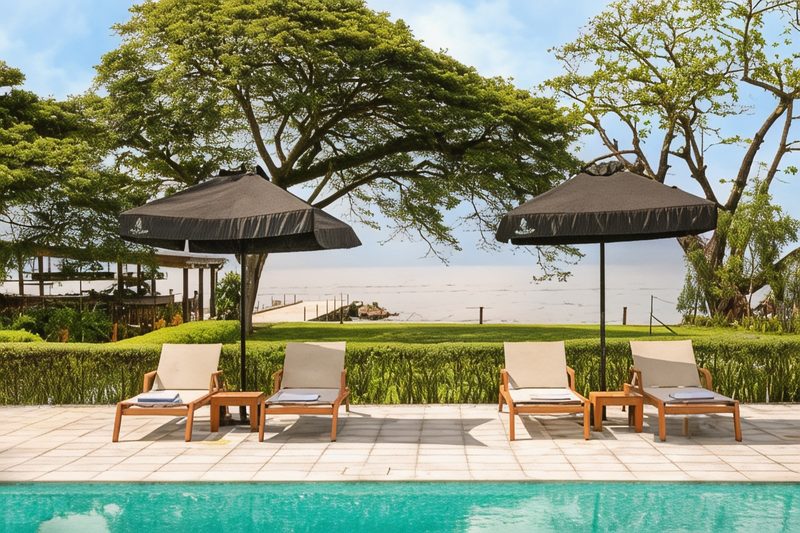
Hand-picked hotels across price tiers for December travellers.
Public Holidays in December
Dates that affect opening hours, transport and crowds
Christmas Day
Observed nationwide as a public holiday.
National Day of Thanksgiving
Observed nationwide as a public holiday.
Christmas Day
Observed nationwide as a public holiday.
National Day of Thanksgiving
Observed nationwide as a public holiday.
Christmas Day
Observed nationwide as a public holiday.
National Day of Thanksgiving
Observed nationwide as a public holiday.
Packing Checklist
Bookmark this page — your progress is saved between visits
Need the full list with shopping links?
Climate-specific gear, brand recommendations, and what to leave at home.
View Honiara Packing List →Essential Tips
Insider knowledge and common pitfalls to avoid
Insider Knowledge
Honiara is generally safe during daylight. The city empties after dark. Poorly lit stretches near the Mataniko River bridge and parts of Chinatown carry real risk of opportunistic theft. Take taxis at night without exception. The nightlife is a handful of bars near Point Cruz and along Mendana Avenue, where a cold Solbrew and slow conversation are the main draw. The scene wraps up early. Nobody walks home. Medical evacuation insurance covering flights to Brisbane or Port Moresby is essential, not optional. The National Referral Hospital handles what it can. But serious illness or injury means air transfer.
There is no conventional public transit system. Shared minibuses run loose routes across Honiara with no published schedule, no marked stops, and no route maps. You flag one down, tell the driver your destination, and hope the route roughly aligns. For WWII sites, waterfalls, and Bonegi Beach outside the city, hiring a driver for the day through your accommodation is the practical option. Establish the arrangement before departure. This prevents awkward end-of-day negotiation souring the experience for everyone.
Every waterfall, jungle trail, and reef access point around Honiara sits on customary clan land. These are not government parks, not public reserves. But ancestral territory with specific families responsible for it. Showing up unannounced ranges from awkward to confrontational. Arrange access through a local guide or your accommodation beforehand. Bring the expected contribution your host can advise on. The protocol itself is part of the Solomon Islands experience when handled with respect.
Skip the tap water everywhere in the Solomon Islands. Honiara's treated supply fails even in dry season. Waterborne illness ends trips faster than cyclones. Stock up on bottled water from Mendana Avenue shops whenever you find supply. Availability is inconsistent. Stock runs out during heavy rain when delivery trucks cannot reach the city. Ice in drinks is a gamble at any establishment. Stick to sealed bottles when ice provenance is unclear.
Avoid These Mistakes
Malaria prevention is not optional. Solomon Islands has one of the highest malaria transmission rates in the Pacific. Honiara is not exempt despite being a city. Travelers who skip prophylaxis for short stays, or assume urban areas are lower risk, sometimes end up in National Referral Hospital or medically evacuated. Start antimalarials before arrival. Use DEET from dusk. Sleep under a treated net. This is non-negotiable.
Rigid itineraries fail here. Domestic flights between Solomon Islands provinces cancel or delay regularly. Boat crossings depend on weather and the captain's judgment. Fixed departure times barely exist outside international flights from Henderson Airport. Build at least one buffer day into any December itinerary. This matters with onward connections. A single cancelled Savo Island crossing or weathered-out domestic flight will cascade through a tight schedule.
Do not arrive at Tenaru Falls, Mataniko Falls, or other natural sites without arranging landowner access in advance. These places are not parks with gates and ticket booths. They are family land with customary protocols. Showing up without prior arrangement through a guide or your accommodation means you will likely be turned away. Worse, you create confrontation that could have been warm welcome with 24 hours of advance communication.
Short on time? See day trips around Honiara on GetYourGuide.
Ready to plan your trip to Honiara?
Now that you've got the research covered, here's where to go next.
Explore More Activities in Honiara
Didn't see anything interesting yet?
Browse Viator's full catalog of tours, day trips, food experiences, and private guides in Honiara.
See All Honiara Tours on Viator