Things to Do in Honiara in August
August weather, activities, events & insider tips
Low Season · Budget Friendly
August Weather in Honiara
Long-run averages for August
88°F (31°C)
High Temp
71°F (22°C)
Low Temp
3.8 inches (97 mm)
Rainfall
80%
Humidity
12
Sunny-Day UV
⚠ Malaria stays endemic across Guadalcanal. It stays endemic across the Solomon Islands. This includes Honiara itself. Year-round. August brings lower rainfall. Fewer mosquitoes breed. Risk remains. Start antimalarial prophylaxis before you arrive. Use DEET repellent. Sleep under a treated bed net. Every single night.
⚠ Tropical sun hits hard here. Even partly cloudy days burn. Unprotected skin burns in thirty minutes. Water reflects sunlight during dives. It reflects during snorkeling. The effect doubles. Cover your skin. Wear a hat. Reapply sunscreen every ninety minutes. Pack rain gear.
Making the most of August in Honiara? Browse tours and activities in Honiara on GetYourGuide.
Is August Right for You?
Weigh the advantages and considerations before booking
Advantages
- + August sits squarely in Honiara's dry window. Rainfall hits 3.8 inches (97 mm), a fraction of the January-March deluge that dumps over 11 inches (280 mm) monthly. Trails to Tenaru Falls and Mataniko Falls become slick mud chutes in the wet season. In August, they firm up enough to hike without ropes. The Guadalcanal interior opens for multi-day walks that are dangerous from December through April.
- + Diving and snorkeling visibility around Honiara peaks in the June-through-September corridor. The waters off Bonegi Beach clear to 25-30 metres (80-100 ft) on good August days. Two Japanese transport ships sit in less than 20 metres (66 ft) of water there, coral now colonising their hulls. Iron Bottom Sound, the stretch of sea floor holding dozens of WWII warships, becomes accessible to recreational divers. Technical certification is not required in these months.
- + Humidity drops to its annual low of around 80 percent. Wet-season readings push 87 percent, so the difference is tangible. You still sweat. The air has a dryness that Honiara residents comment on. Walking the 3 km (1.9 miles) from Point Cruz to Chinatown at midday in August is uncomfortable. Doing the same walk in February is punishing.
- + August 7 marks the anniversary of the 1942 Guadalcanal landings. The commemorations draw veterans' families, military historians, and diplomats to a city that otherwise sees remarkably few international visitors. The atmosphere around the memorial sites shifts from quiet reflection to something more communal. Local families join the gatherings at the American Memorial on Skyline Ridge.
Considerations
- − Getting to Honiara requires routing through Brisbane, Nadi, or Port Moresby. Flight frequency is limited, so last-minute changes prove expensive and stressful. Solomon Airlines and a handful of regional carriers operate on schedules that shift without much warning. A missed connection can strand you for two or three days in a transit city. August, being dry season, sees slightly higher demand for the limited seats available.
- − Malaria is endemic across Guadalcanal and the wider Solomon Islands. August's drier conditions do not eliminate the risk. Mosquitoes breed in standing water year-round. Honiara's drainage infrastructure means pools collect even in the dry months. Prophylaxis is not optional here. Consult a travel medicine clinic well before departure. Bring a treated bed net even if your accommodation claims to have screens.
- − Tourism infrastructure in Honiara remains bare-bones compared to Fiji or Vanuatu. Power outages happen several times a week. ATMs run dry without notice. Medical facilities are limited. If you need anything beyond basic first aid, evacuation to Brisbane or Port Moresby is the plan. Travel insurance with medevac coverage is a requirement. Do not skip it.
Settled on August? Compare hotel prices in Honiara for your dates on Trip.com.
Best Activities in August
Top things to do during your visit
August hits Honiara at the dry season's peak. The capital drops the heavy downpours that define its wet months. It settles into warm, relatively clear days. Average highs hold around 88°F. Overnight lows dip to 71°F. This pattern barely shifts month to month in the Solomons. But August feels different. Restrained rainfall helps. Roughly 3.8 inches falls across the whole month. February delivers eleven-plus inches. The air carries less moisture than at any other point. Mornings along Mendana Avenue open with faint offshore breezes. They smell of salt and drying copra. The equatorial sun takes command by midmorning. For travelers weighing the best time to visit Honiara, August sits in a practical sweet spot. The seas between Guadalcanal and surrounding islands run calmer. Boat transfers to dive sites and outer reefs become more predictable. The capital's modest restaurant and hotel scene operates at a steady local pace. It is not tourist-driven. Evening meals at waterfront eateries and Chinese-run kitchens along Point Cruz develop without reservation hassles. You will hear outboard motors thrum before dawn. They head to fishing grounds. By late afternoon the central market fills with sharp, green scents. Freshly split betel nut. Taro root stacked in careful pyramids. Honiara does not perform for visitors. It operates on its own terms. August gives you the weather window to meet it there. Safety in Honiara follows common-sense urban precautions. Stick to well-lit areas around Chinatown and Point Cruz after dark. Keep valuables discreet. Use established transport. The city is compact enough for daytime foot travel or shared minibus rides. Locals are direct and generous with directions. Nightlife concentrates in hotel bars and clubs near the waterfront. Reggae mixes with Pacific pop. It drifts through open doorways into warm evening air. Beaches within reach of the capital reward short drives. Bonegi Beach to the west offers coarse volcanic sand. Warm shallows. The rusted hull of a Japanese transport ship sits just offshore. Decades of coral growth have softened its iron edges.

East Honiara Historic World War II Battlefields Tour
culturalThe tour traces ridgelines and river crossings east of the capital, walking through sites along the Tenaru River and toward Edson's Ridge, where shell casings and equipment fragments still surface beneath thick tropical canopy.
This is one of the few places on earth where a Pacific War battlefield remains largely as it was. Unmanicured. Absorbed back into the jungle rather than paved over with monuments.
Insider tip: Wear sturdy closed-toe shoes with grip. The laterite trails east of the Tenaru crossing turn slick even in dry season. River stones at the ford are algae-coated and uneven.
This month: August's low rainfall keeps Tenaru River crossings accessible. Trail conditions stay firm. Wet season months make some battlefield sites difficult to reach on foot.

Honiara City-Half Day City Tour
guided_experienceThe tour compresses the capital's layered identity into a few concentrated hours, moving from the National Museum's war relics and traditional shell-money coils to the central market, Parliament building, botanical garden, and waterfront strip.
Honiara does not explain itself to casual visitors. This guided circuit provides the local narrative thread. It turns a small, initially plain-looking capital into a place you can read.
Insider tip: Ask your guide to stop at the market on a weekday morning. Not Saturday. The weekday crowd is almost entirely local. Vendors are less hurried. You can taste fresh coconut water and sliced pawpaw without competing for stall space.

Airport Transfers from Honiara International Airport to Hotel
transportThe service meets travelers at Henderson Field and drives into central Honiara in twenty to thirty minutes along the coast road, with a pre-arranged pickup that avoids informal taxi negotiation and lets a local driver handle current road conditions.
Henderson Field sits well outside central Honiara. No public transit link exists. A confirmed vehicle waiting at arrivals removes the single most common friction point for first-time visitors to the Solomons.
Insider tip: Confirm your pickup the day before arrival through the booking platform. Flights into Henderson occasionally shift schedule. A reconfirmed booking ensures the driver adjusts to your actual landing time. Not the published one.
This month: August keeps it straightforward.
Where to Stay in Honiara in August
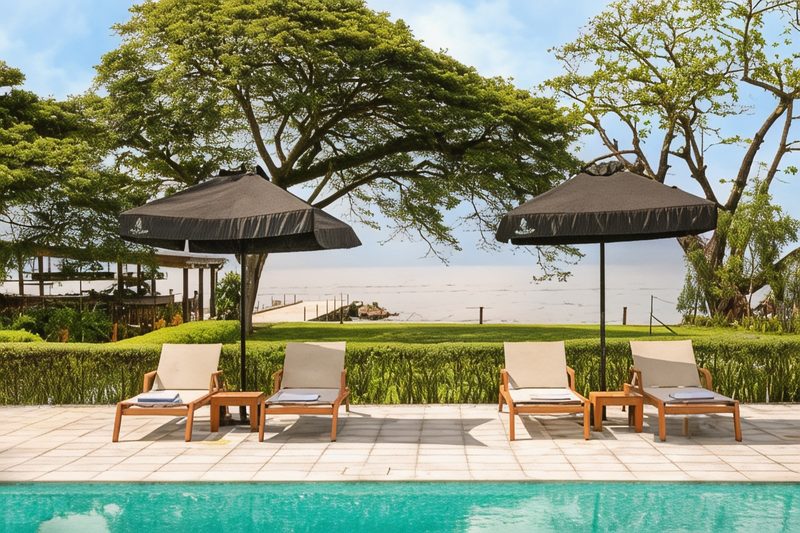
Hand-picked hotels across price tiers for August travellers.
Packing Checklist
Bookmark this page — your progress is saved between visits
Need the full list with shopping links?
Climate-specific gear, brand recommendations, and what to leave at home.
View Honiara Packing List →Essential Tips
Insider knowledge and common pitfalls to avoid
Insider Knowledge
Sunday in Honiara shuts the city down in a way that surprises visitors from secular countries. Nearly everything closes, and the sound that replaces traffic is gospel singing pouring out of churches across every neighbourhood, harmonies so layered and powerful they stop you mid-step. Plan your shopping and provisioning for Saturday, and treat Sunday as a rest day or arrange a pre-booked excursion, because you will not find a meal or a taxi easily. Respect the rhythm.
Betel nut is the social currency of Honiara. If a local offers you a nut, the polite response is to accept, even if you do not chew. The combination of the green nut, coral lime powder, and a wrap of mustard leaf produces a mild buzz and an alarming amount of red saliva, which is why Honiara's pavements are stained crimson. You can decline gracefully by saying you have not tried it yet, which usually prompts an enthusiastic tutorial rather than offence. Learn the etiquette.
Kastom land ownership governs access to most natural sites outside the city, including waterfalls, beaches, and forest trails. There is no public right of way as understood in Western countries. Turning up at Tenaru Falls or a village beach without prior arrangement through the landowners is not just rude. It can create a genuine dispute. Always use a local guide with established relationships, and expect to contribute a small customary payment to the community. Ask first.
The stretch of coast west of Honiara toward Bonegi is where locals go on weekend afternoons to swim and cook over open fires on the beach. If you are invited to join a family group, bring something to contribute, anything from biscuits to fresh fruit from the Central Market. These unplanned encounters, sitting on volcanic sand eating grilled fish wrapped in banana leaf while someone explains the WWII wreck visible twenty metres offshore, are the moments that define a trip to Honiara more than any organised tour. Say yes.
Avoid These Mistakes
Assuming Honiara operates on tourist-destination time. This is a working Pacific capital, not a resort town. There are no tuk-tuk fleets, no tour desks in every lobby, no English-language signage on most streets. Visitors who arrive without pre-arranged accommodation, transport, and a basic grasp of how Solomon Islands Pijin works will spend their first two days solving logistics instead of exploring. A few phrases of Pijin, which is not difficult to pick up, change every interaction. Learn it.
Treating the WWII sites as a quick photo opportunity rather than what they are. Walking across Red Beach or standing at the American Memorial without understanding the scale of what happened here, the months of fighting, the thousands of casualties on all sides, the displacement of Solomon Islander communities, reduces something profound to a selfie stop. Read before you arrive. The sites reward depth, not speed. Take time.
Leaving all their cash in accommodation and carrying only a card. Electronic payment infrastructure in Honiara is unreliable at best and nonexistent at the market, in taxis, and on boats. ATMs can be empty for days. Carry enough Solomon Islands Dollars in small notes to cover food, transport, and guide fees for at least three days, and keep reserves in a secure money belt. Running out of cash in a place without functioning ATMs is a genuine problem, not an inconvenience. Be prepared.
Short on time? See day trips around Honiara on GetYourGuide.
Ready to plan your trip to Honiara?
Now that you've got the research covered, here's where to go next.
Explore More Activities in Honiara
Didn't see anything interesting yet?
Browse Viator's full catalog of tours, day trips, food experiences, and private guides in Honiara.
See All Honiara Tours on Viator